SECTION 1: The Limestone Crossover
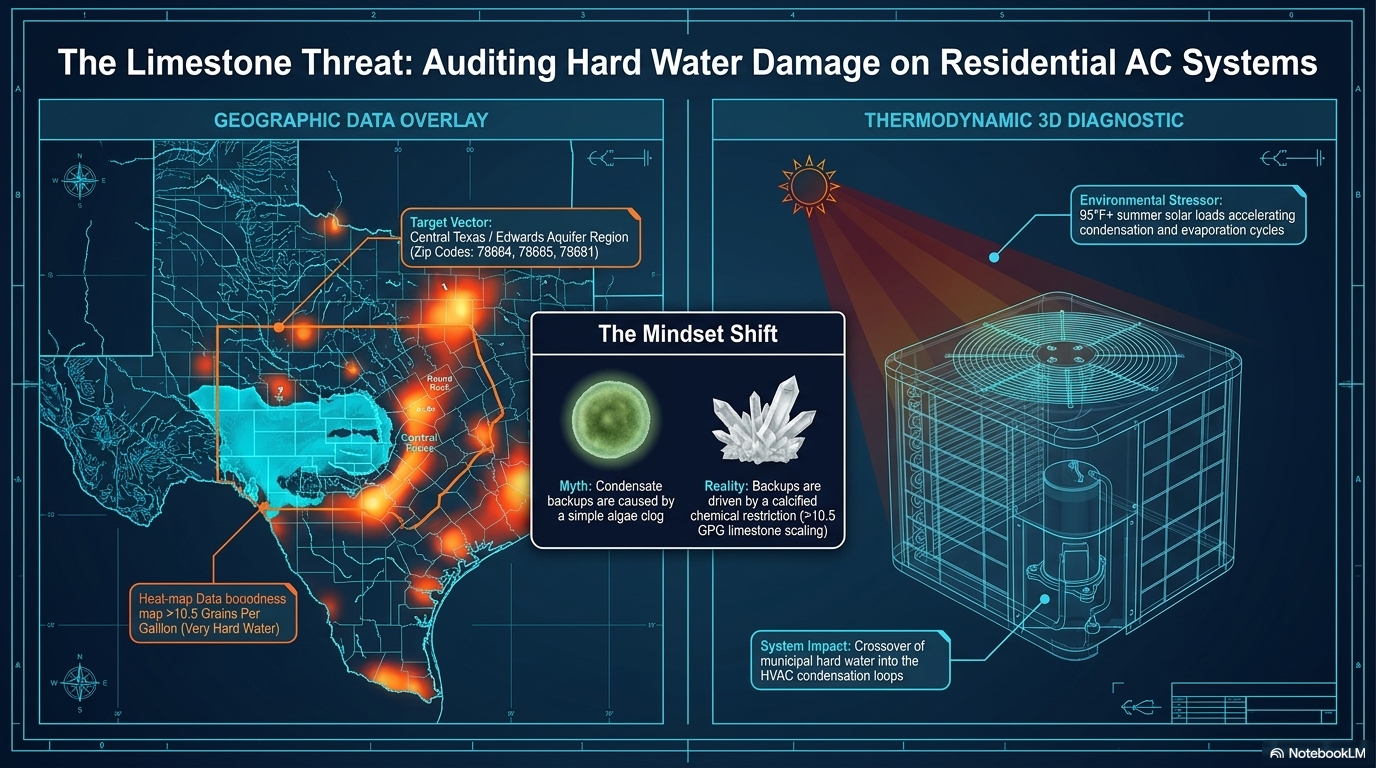
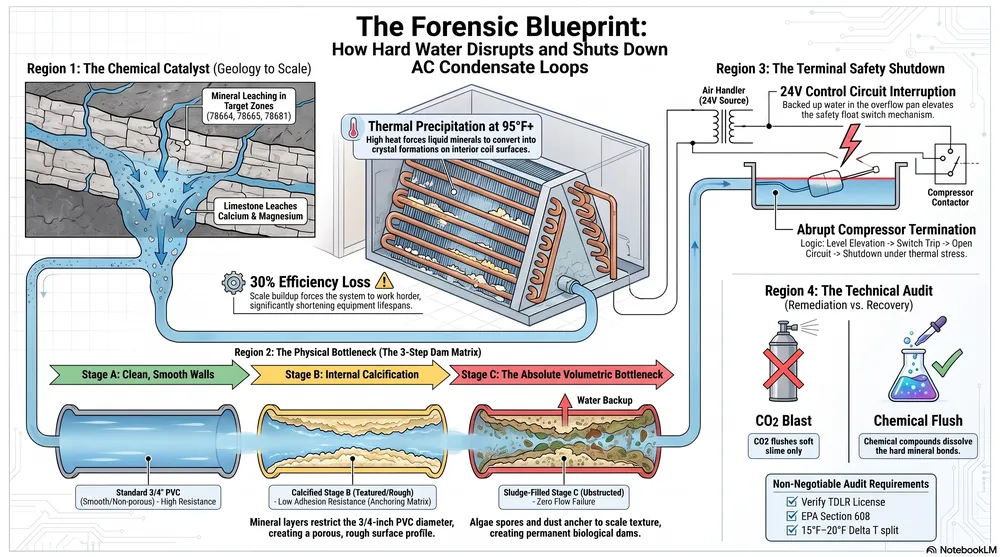
Municipal water networks operating across Round Rock zip codes 78664, 78665, and 78681 draw heavily from deep limestone layers within the Edwards Aquifer. While local homeowners are highly familiar with the aesthetic and plumbing headaches of heavy calcium carbonate mineral loads—such as scale deposits on shower fixtures or inside water heaters—few recognize the critical crossover threat this geology introduces to residential air conditioning systems.
An indoor cooling evaporator coil functions by constantly drawing warm, humid air across its chilled aluminum fins. As the air reaches its dew point, massive amounts of environmental humidity condense onto the coil surfaces, dripping downward into an integrated primary collector pan. When our raw incoming municipal water supply registers at an extreme hardness of 14 grains per gallon (239 ppm as CaCO3), ASHRAE 189.1-2017 standards prove that your system is physically restricted to a maximum 2.1 Cycles of Concentration (COC) before terminal precipitation occurs. Airborne dust and ambient limestone particulate mix directly into this continuous condensation loop, causing calcium carbonate to rapidly break out of solution and deposit a brittle, thick white scale directly onto the slick interior walls of the 3/4-inch drainage lines.
SECTION 2: The Anatomy of a Condensate Overflow Shutdown
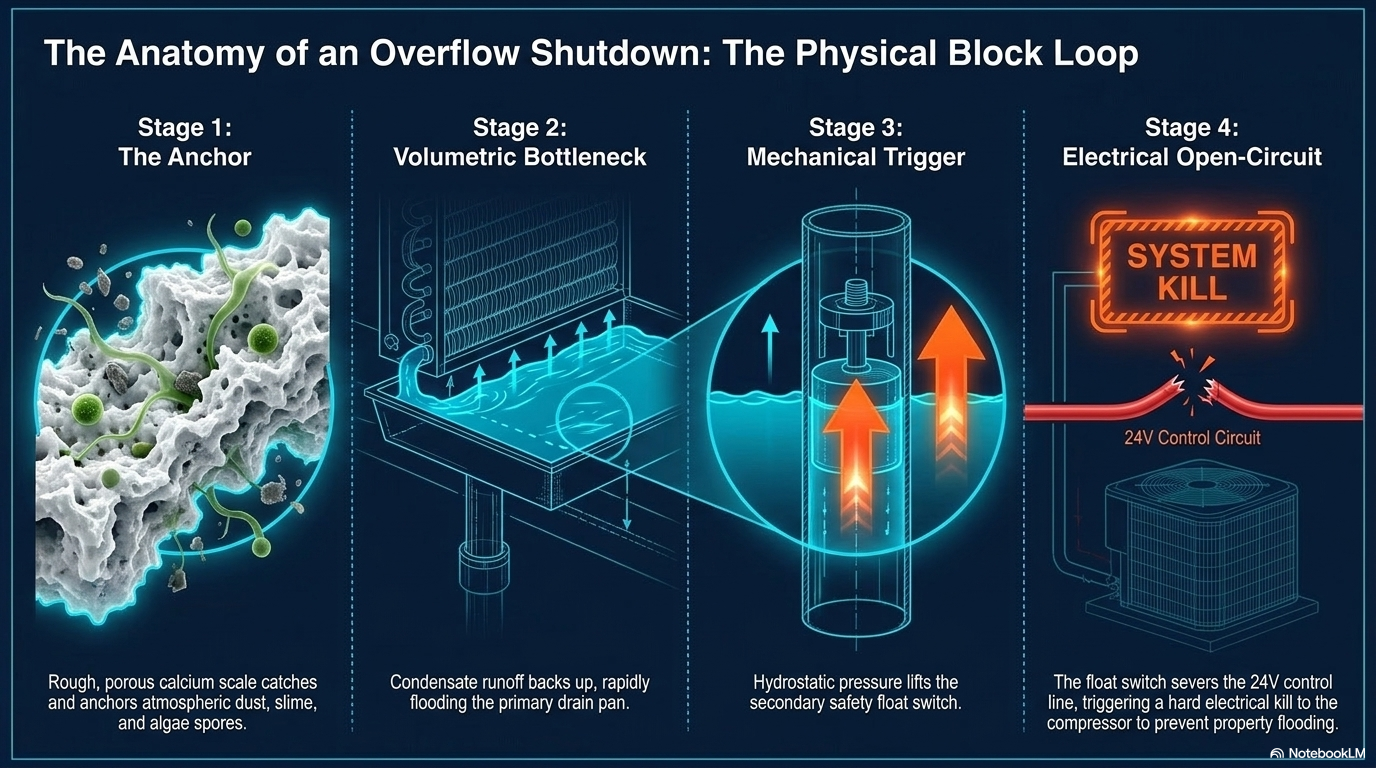
When an air conditioner runs continuously under a relentless 95°F+ summer solar load, a multi-phase physical breakdown occurs within an unmaintained drainage line. The path to a system emergency follows three distinct mechanical steps:
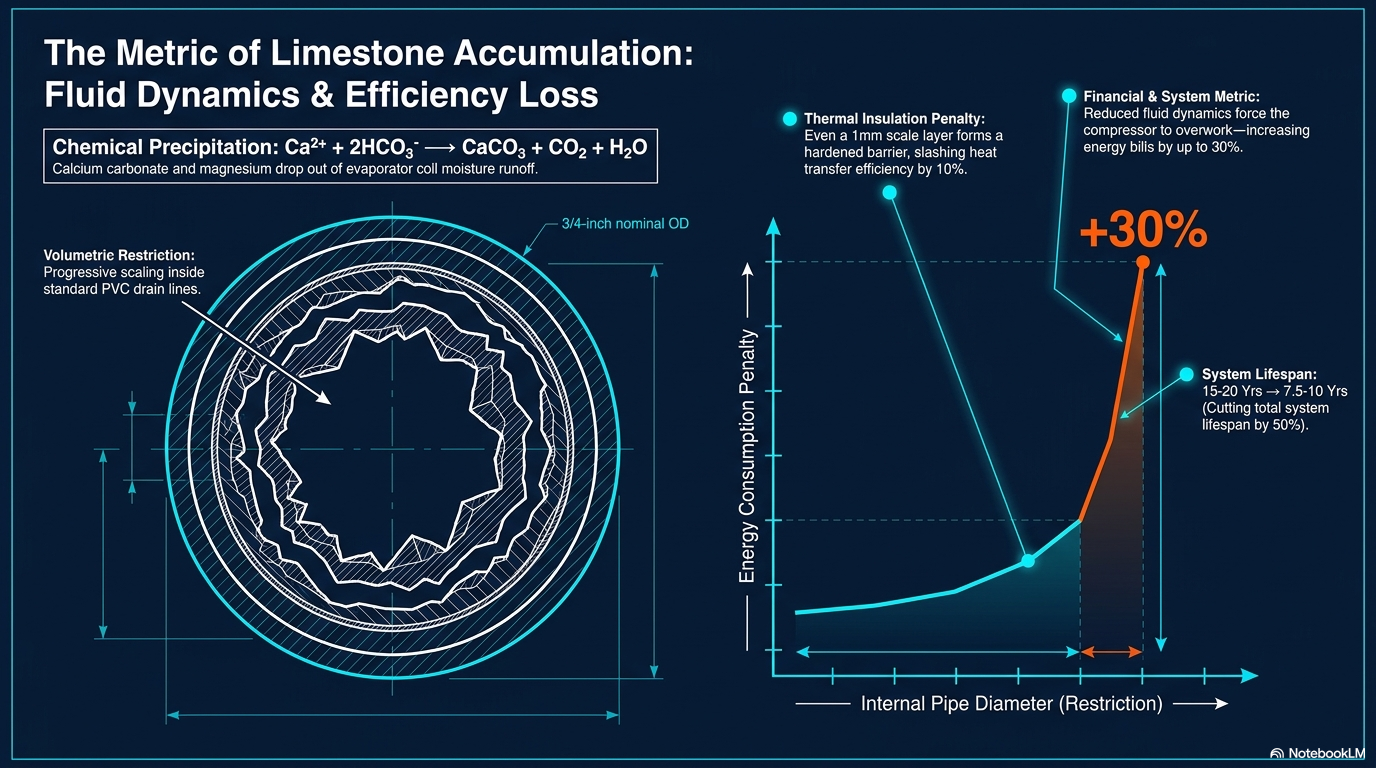
- Mechanical Sizing Restriction: As layer upon layer of hard limestone scale solidifies along the interior walls of a standard 3/4-inch PVC line, the internal diameter of the pipe narrows dramatically. This restriction drastically chokes the maximum volumetric flow rate of the drainage assembly.
- Biological Anchoring Matrix: Smooth, unscaled PVC is naturally resistant to biological adhesion. However, raw calcium scale creates a rough, porous, microscopic surface texturing. This chalky structural layout acts as a perfect physical anchor point for atmospheric slime, dust, organic dirt particles, and airborne algae spores to bind onto. What would normally flush away cleanly instead builds into a rapidly expanding, impermeable biological dam.
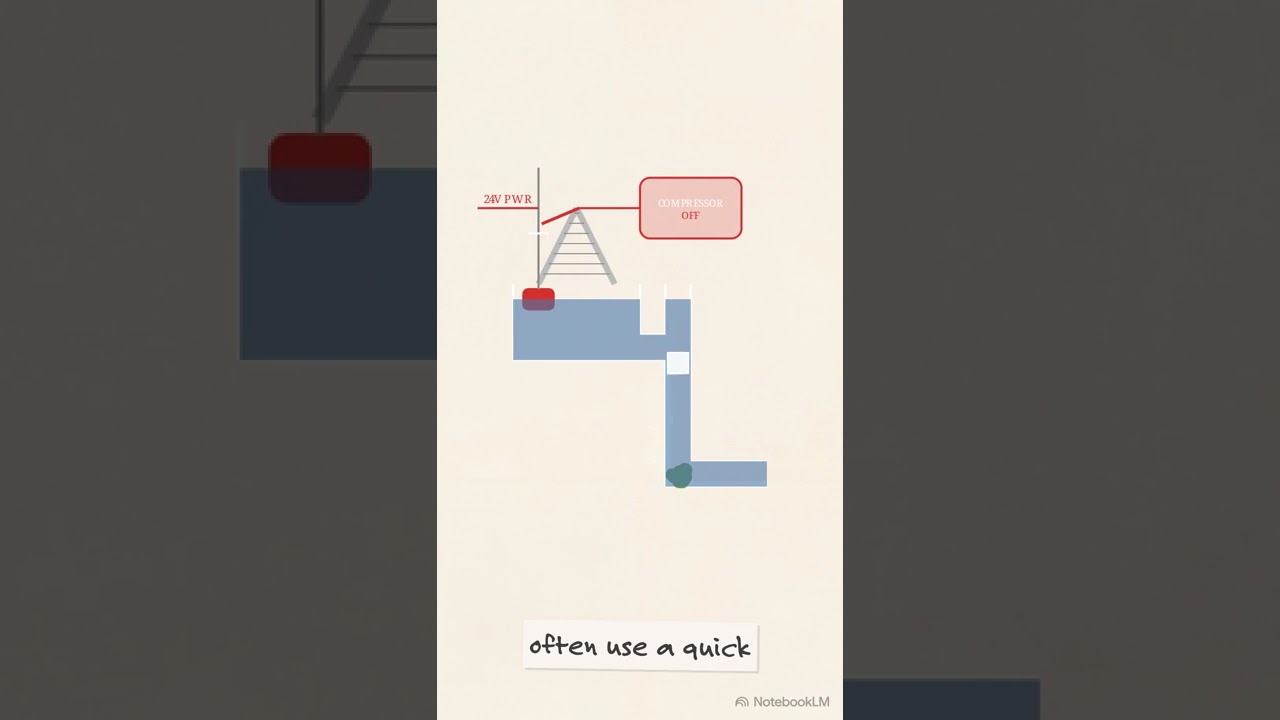
- Terminal Float Switch Open-Circuit: As the restricted, scaled pipe hits a total volumetric bottleneck, condensate water backs up out of the drainage line and fills the primary drain pan. Once water elevates inside the pan, it lifts a localized safety float mechanism. This mechanical action instantly breaks the 24-volt control circuit running down to your outdoor compressor, triggering an abrupt, total system shutdown in the peak of the heatwave.
SECTION 3: Vetting the Fix
When a system suffers an emergency float-switch shutdown, the quality of the technical diagnostic execution determines whether your asset is protected or set up for repeat failure. Homeowners must understand the clear differences between basic maintenance clearing and structural mechanical remediation:
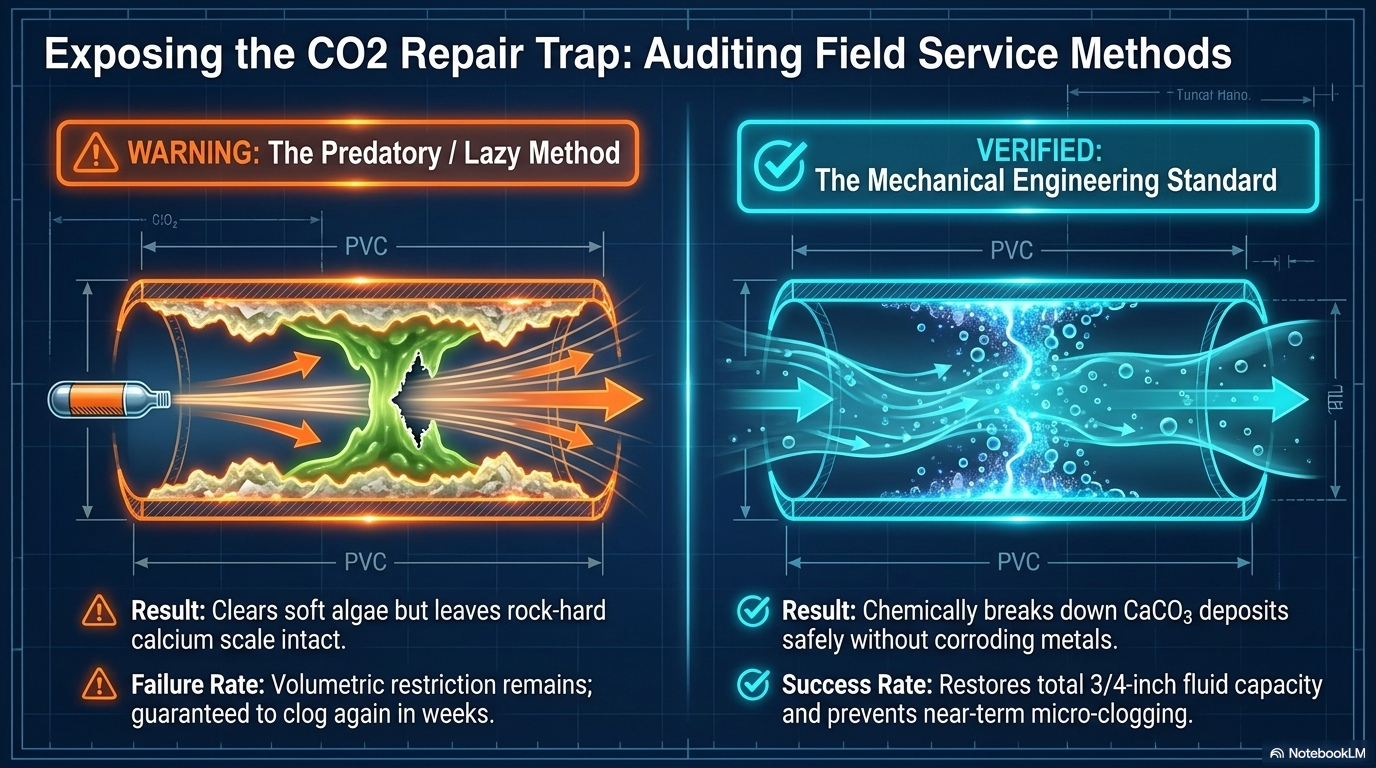
A low-quality technician will frequently push a compressed air blast or a CO2 charge down the line to blow out the blockage, clear the pan, reset the float switch, and instantly pack their tools. While this temporary blast clears the soft biological slime, it leaves the underlying, rock-hard calcium carbonate scale entirely intact. Within two to three weeks, the narrow, rough pipe anchors new algae buildup, triggering a repeat emergency call. Furthermore, homeowners must avoid the common DIY trap of pouring raw household bleach down the line, which actively eats away and degrades the PVC piping matrix over time, or worse, creates lethal chlorine gas if inadvertently mixed with vinegar.
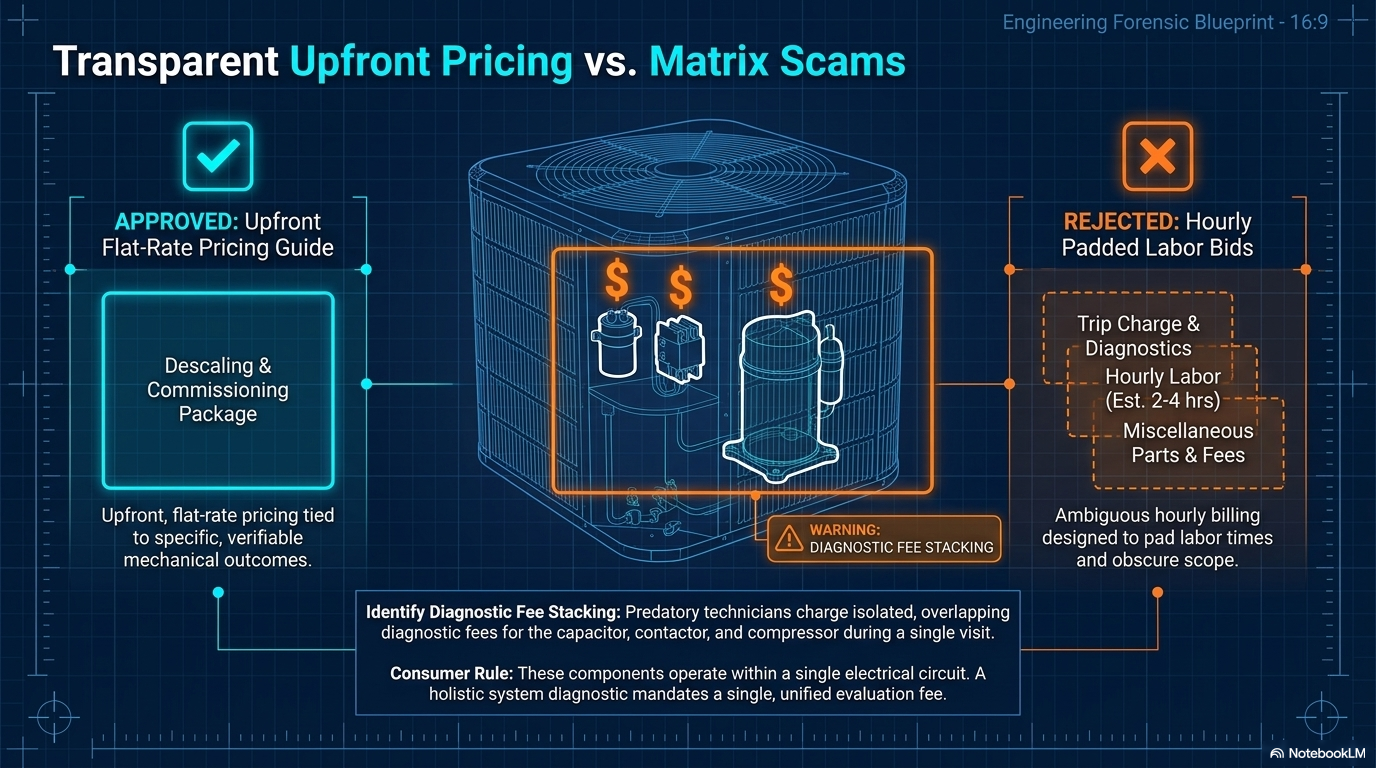
The proper engineering solution requires a comprehensive line flush using advanced non-acid, non-corrosive descaling technologies that cleanly strip the calcified bonds without degrading your plumbing or leaching copper internals. Whether you require standard central air maintenance or specialized mini-split repairs, ensuring your technical provider uses professional-grade testing gear and holds a valid federal EPA Section 608 certification protects your property from water damage and unneeded equipment wear. If you are auditing service providers or need a certified diagnostic review near historical landmarks like Chisholm Trail Crossing Park, contact our team today for an upfront, flat-rate, high-integrity inspection.
Disclaimer: The technical vetting metrics, licensing guidelines, and engineering benchmarks provided on this page are for informational and educational purposes only. Always verify state licensing credentials directly and consult with certified technicians before executing any chemical or mechanical modifications.